One thing natural twists do especially well is give you options after installation day. A simple two-strand twist set can stay loose, move into a bun, become half-up, or eventually transform into a defined twist-out. That versatility makes twists practical when you want texture without complicated daily styling. The best result usually comes from choosing sections that suit your desired fullness and keeping product application controlled. From tiny mini twists to sculpted flat-twist updos, these natural twists hairstyles offer distinct ways to celebrate texture while keeping everyday styling manageable.
Classic Two-Strand Twists
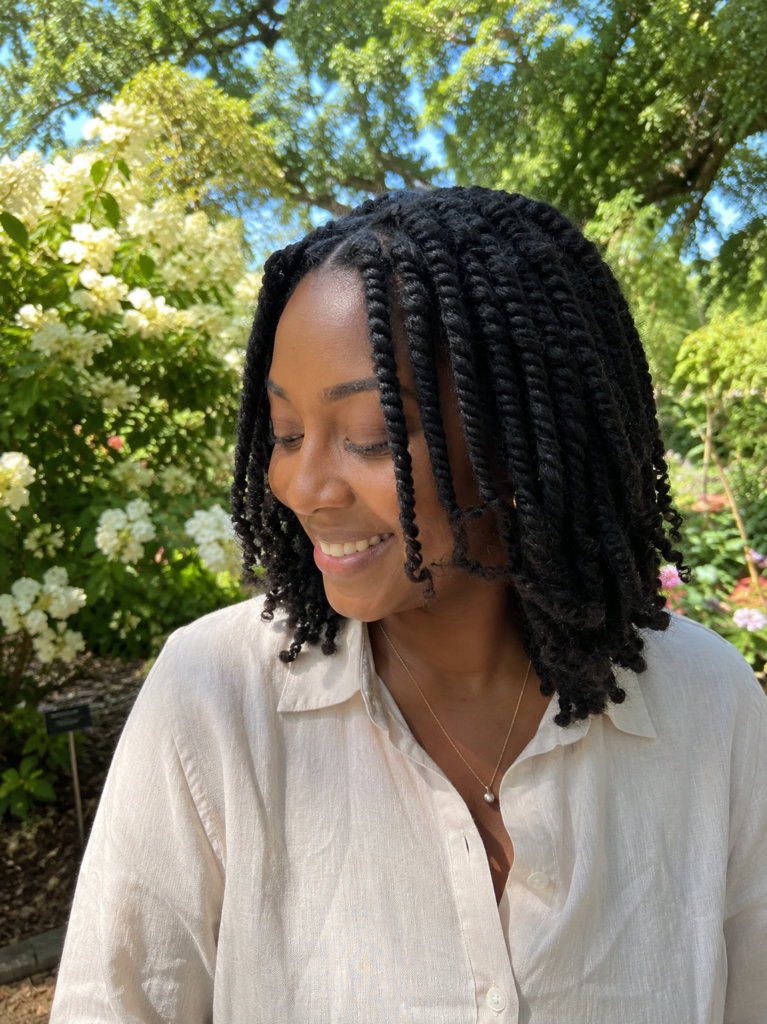
Two-strand twists remain a foundation style because simplicity creates endless versatility. Divide moisturized hair into sections, then twist two strands around each other. Smaller sections create more individual twists, while larger sections produce fuller definition. Wear them loose, pinned backward, or gathered when you want variety. Apply a lightweight twisting cream before styling for control and softness. At night, protect the twists with satin to reduce friction and preserve their neat appearance longer.
Mini Twists
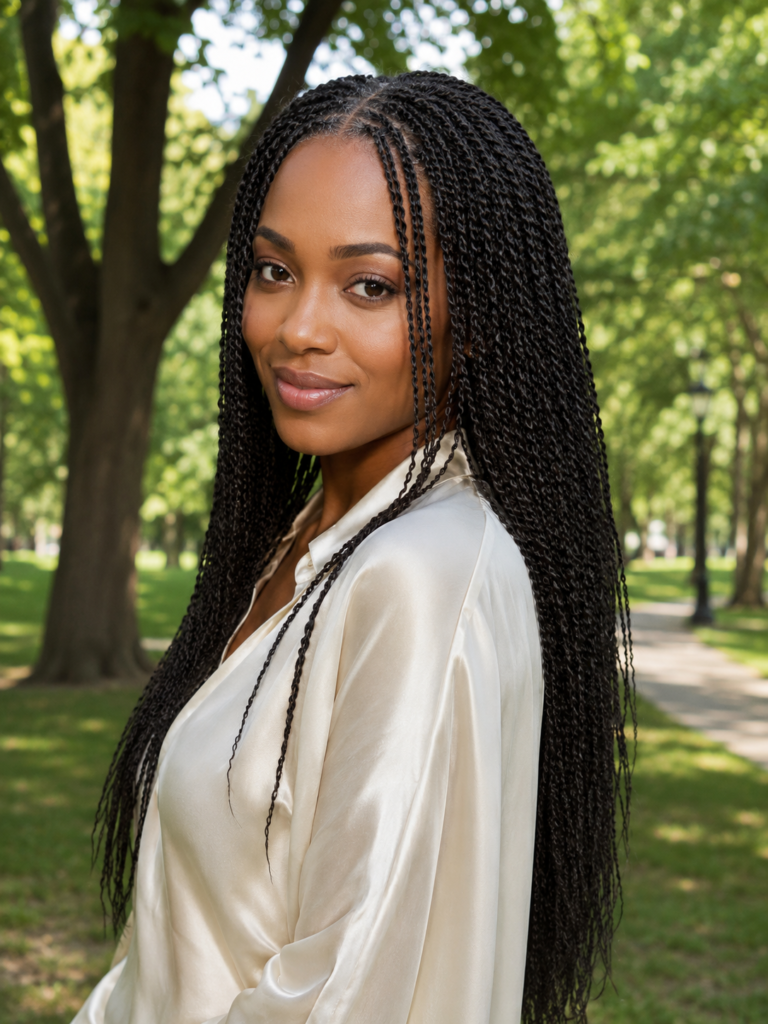
Tiny sections give mini twists their lightweight movement and styling flexibility. They take longer to install, but the finished twists offer numerous options. Wear them loose, create ponytails, or experiment with simple pinned styles. Start with properly detangled hair because smaller sections expose knots quickly during twisting. Use enough styling cream for definition without coating every strand heavily. Gentle nighttime protection also helps the small twists remain separated and reduces unnecessary frizz around their surfaces.
Chunky Two-Strand Twists
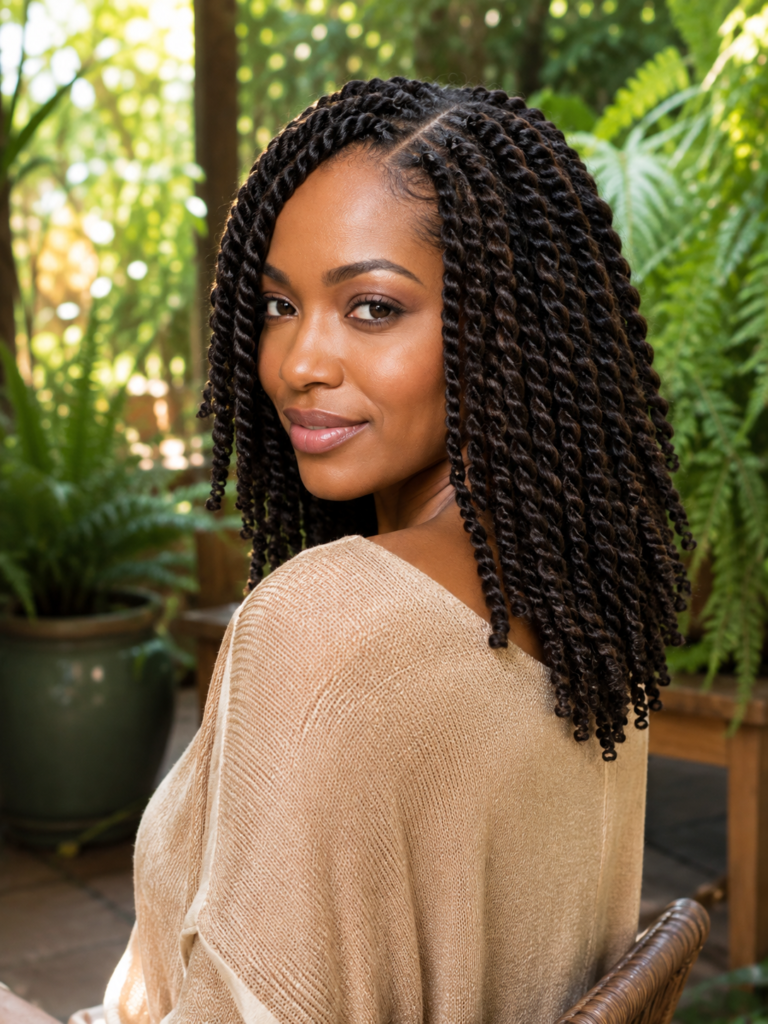
Larger sections make chunky twists quicker to install than mini versions. Their substantial shape showcases natural texture while creating noticeable fullness throughout the hairstyle. Keep your sections reasonably consistent if you prefer a balanced finish. For something more relaxed, vary them slightly and embrace the resulting texture. A moisturizing styling cream provides enough slip during installation. Once dry, avoid excessive manipulation because larger twists can loosen faster when repeatedly pulled into different arrangements.
Flat Twists
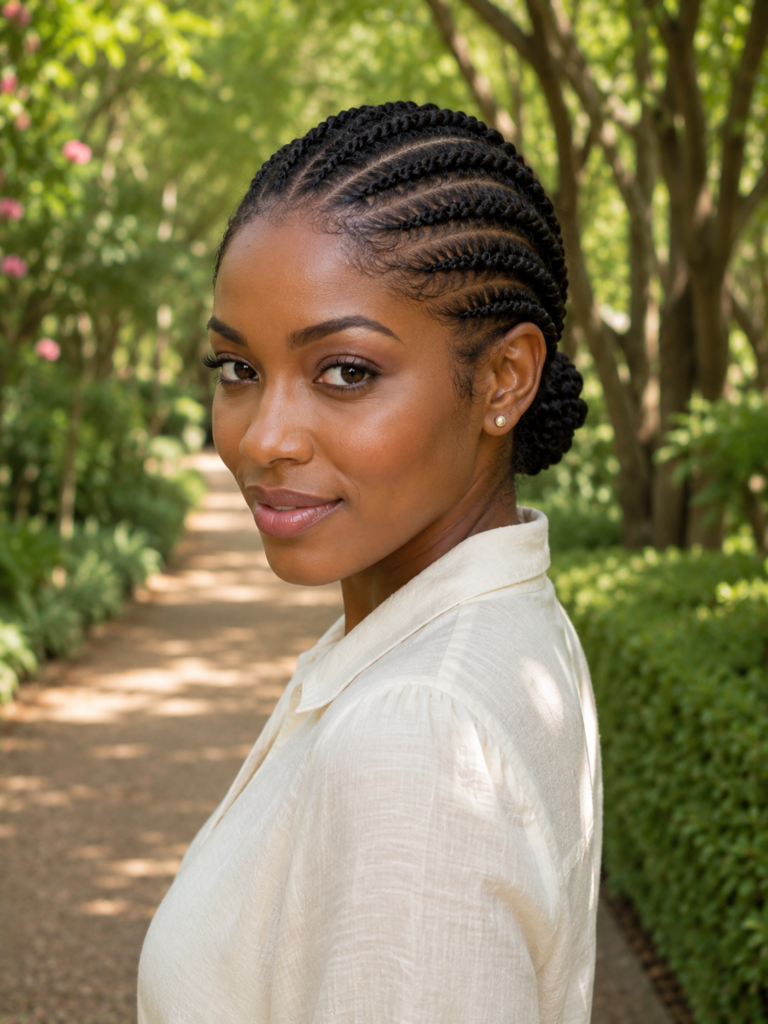
Flat twists stay close to the scalp while creating beautifully defined patterns. The technique works particularly well when you want controlled styling upfront. Create straight rows for simplicity or gently curved sections for extra interest. The remaining hair can stay twisted, gathered, or styled into an updo. Use a lightweight twisting product to maintain grip without stiffness. Keeping the sections clean during installation makes the finished pattern easier to see and simplifies later maintenance.
Flat Twist Updo

Direct several flat twists upward before gathering their ends into an updo. This approach creates visual detail throughout the sides while concentrating volume higher. You can tuck the remaining twists into a bun or arrange them loosely. Keep the tension comfortable, especially around the outer sections. Decorative pins can add interest for special occasions without changing the basic hairstyle. Protecting the finished updo overnight helps preserve the twisted pattern and reduces daily restyling.
Half-Up Natural Twists

Gathering the upper section instantly changes loose natural twists without complicated styling. Secure them gently at the crown, leaving the lower twists free. The contrast creates subtle height while showcasing plenty of texture through the remaining lengths. Keep several front twists loose if you prefer a softer finish. Choose a wide hair tie rather than pulling everything tightly. Alternating between loose and gathered styles can also prevent repeated pressure on the same sections.
High Ponytail Twists

A high ponytail gives longer natural twists a lifted, energetic shape. Gather the twists comfortably toward the crown, then allow their textured lengths to fall freely. Shorter pieces can remain loose around the front instead of being stretched upward. Use a soft, wide tie that accommodates the hairstyle without excessive pulling. For everyday wear, alternate the ponytail position occasionally. Changing placement keeps styling interesting while reducing repeated tension from securing the same area continuously.
Low Ponytail Twists
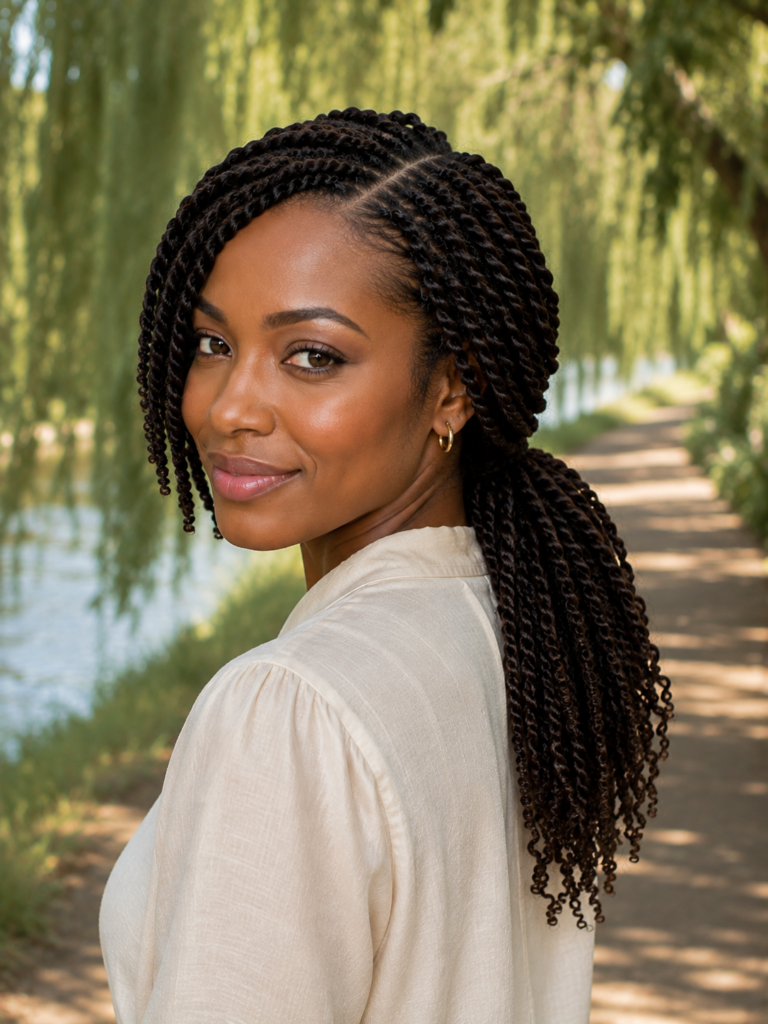
For understated styling, gather your twists loosely near the nape. A low ponytail keeps the texture visible while creating a controlled silhouette. Add a side part beforehand if you want more movement through the front. Medium and long natural twists work especially well for this arrangement. Instead of tightening the ponytail repeatedly, secure it once with a gentle tie. A lightweight moisturizing mist can refresh the exposed lengths whenever the twists begin feeling dry.
Natural Twist High Bun
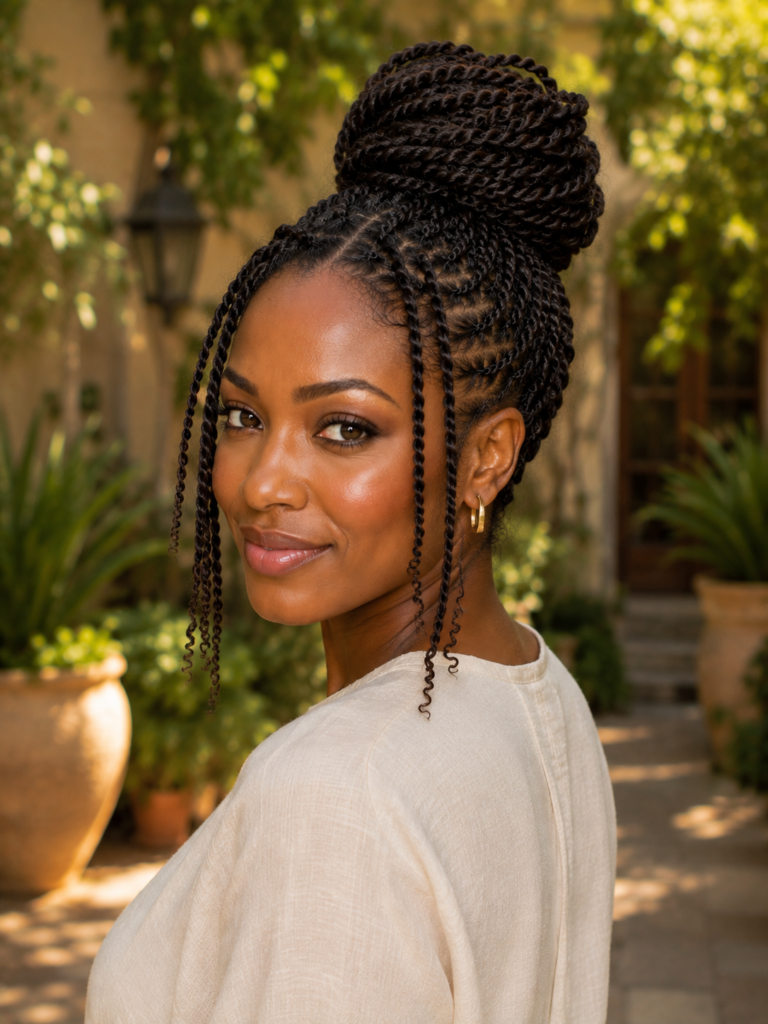
Longer twists make a high bun surprisingly easy to create. Gather them upward, wrap the lengths loosely, then secure everything comfortably. Allow several twists to remain free if you prefer a relaxed finish. The style works particularly well when you need the lengths contained for the day. Avoid pulling the base excessively tight because comfort matters more than perfect smoothness. Larger pins can help secure thicker twists without requiring several tight hair ties.
Low Twist Bun

Positioning the bun lower creates a softer alternative to high styling. Start with medium or long twists, gather them near the nape, then wrap them gently. Tuck loose ends underneath instead of forcing every twist into perfect alignment. A side part can add subtle asymmetry through the front. For dressier occasions, add a simple decorative accessory. Keep product application minimal when restyling because repeated layers of gel can quickly create visible buildup.
Side-Swept Natural Twists
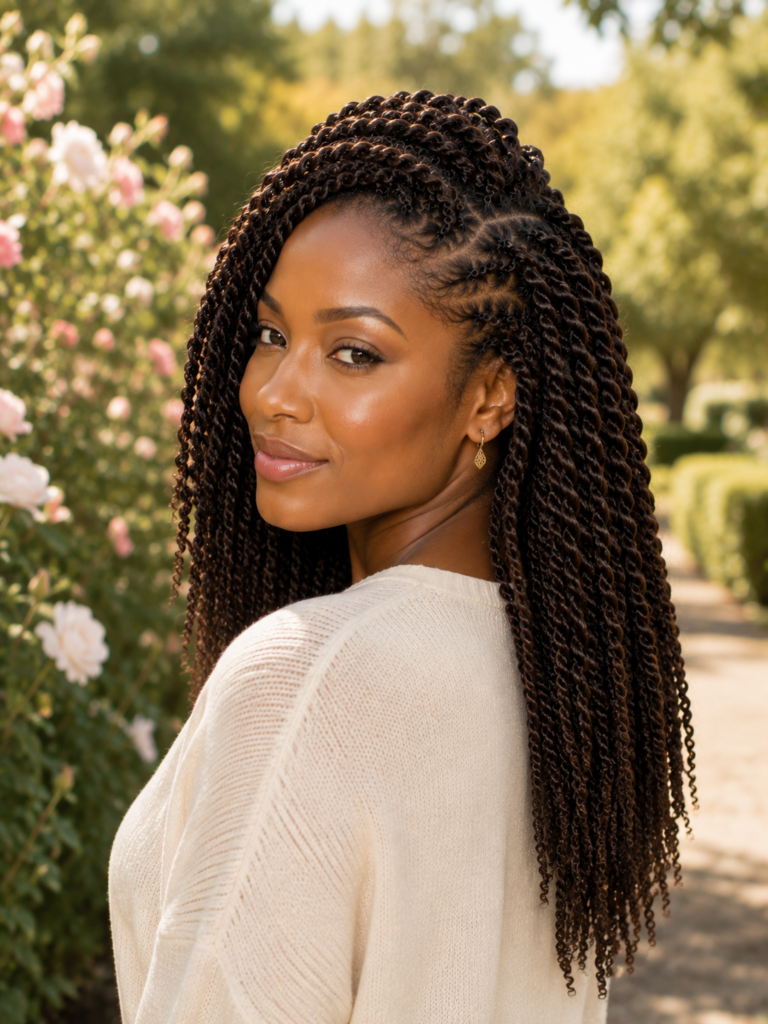
Moving your twists toward one side creates noticeable change without reinstalling anything. Start with a deeper part, then guide most lengths toward the opposite side. Pin several twists discreetly if you need additional control. This arrangement works beautifully with shoulder-length and longer styles because there is enough movement to emphasize the asymmetry. Refresh any fuzzy front twists individually rather than applying product everywhere. Targeted maintenance keeps the finished hairstyle lighter and more natural-looking.
Twisted Crown Hairstyle

Use twists around the perimeter to create a softly wrapped crown. Longer natural twists can be pinned across the top, while shorter sections may need several overlapping pieces. Keep the arrangement slightly relaxed rather than pulling every twist tightly. This hairstyle provides an elegant option for celebrations, dinners, or everyday dressing. Large pins placed beneath the twists can remain discreet. A little lightweight edge control is optional when you want a neater finish around the front.
Natural Twist Bob
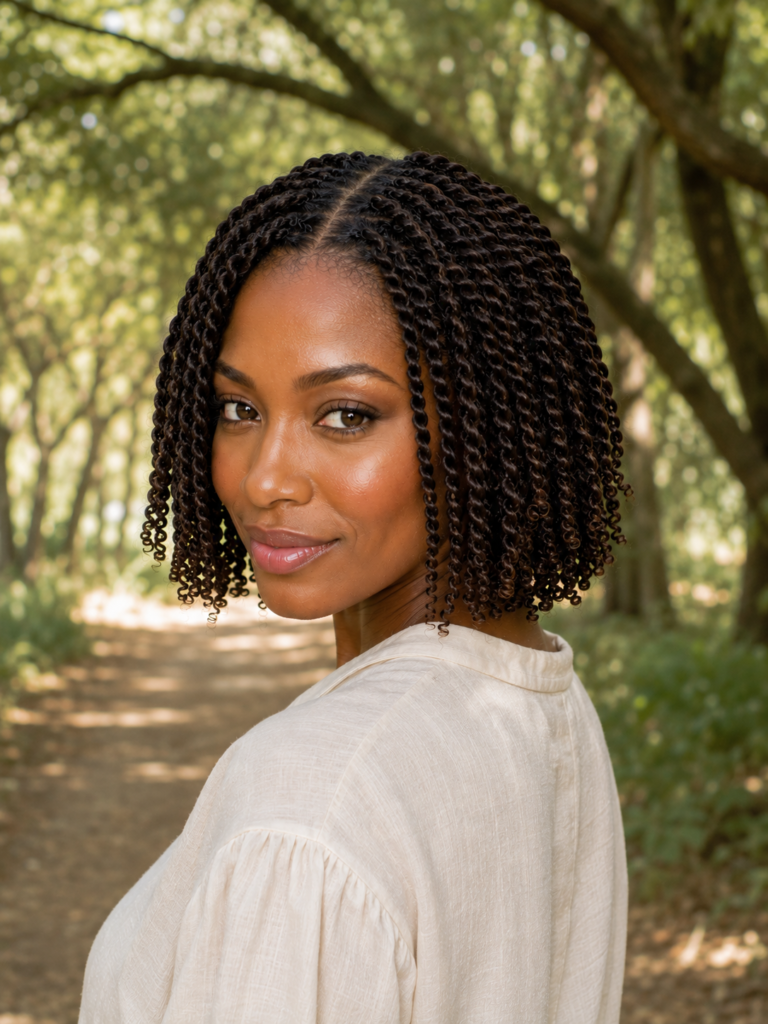
Shoulder-skimming twists create a compact hairstyle with plenty of texture. Keep the lengths relatively consistent for a rounded bob effect, or introduce slight layering for extra movement. Medium-sized twists usually show the shape particularly clearly. A side or center part can completely change the finished balance. Refresh individual sections when needed rather than retwisting everything frequently. The shorter length also makes nighttime protection easier because fewer twists need arranging beneath your satin covering.
Natural Twists With Beads
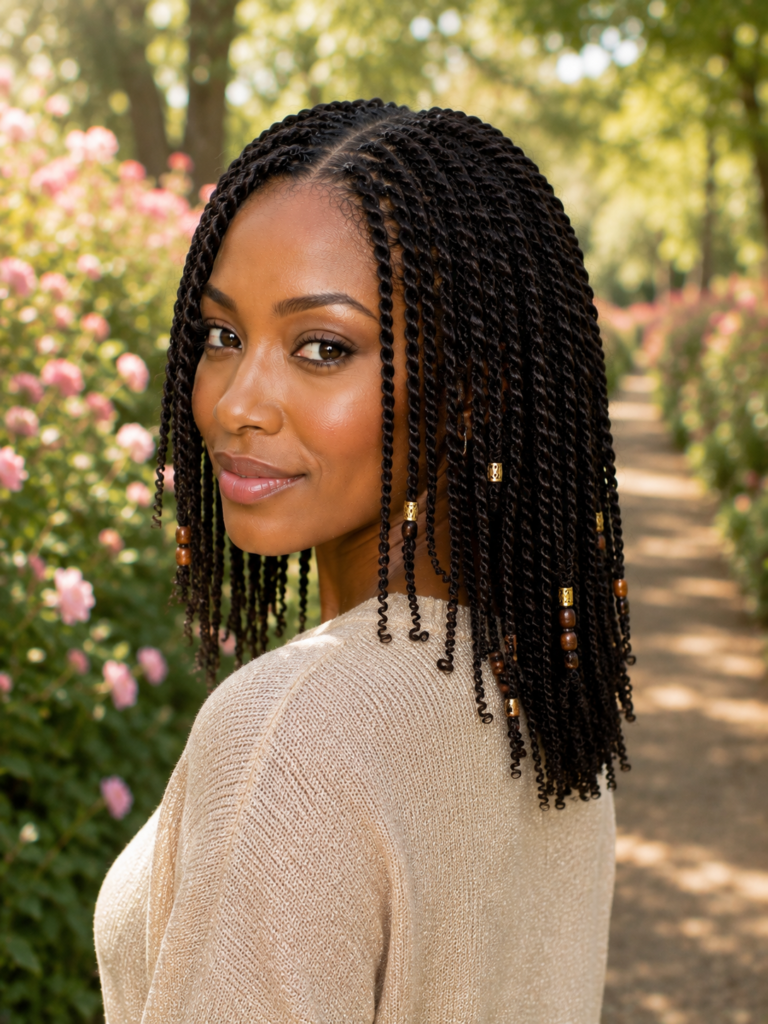
Beads introduce personality without changing the underlying twist technique. Add them selectively near the ends rather than decorating every section heavily. Wooden, metallic, or neutral-toned beads can complement natural twists beautifully. Make sure each accessory feels comfortable and does not place unnecessary weight on individual sections. Medium and longer twists provide enough space for varied placement. Keeping the accessories relatively sparse allows the natural texture and construction of the twists to remain clearly visible.
Passion Twist-Inspired Natural Twists

You can borrow the loose personality of passion twists without using extensions. Create medium two-strand twists, keeping the tension relaxed and allowing natural texture to remain visible. Slightly irregular sections can make the finish feel softer rather than overly uniform. This variation works especially well when your goal is fullness and movement. Use a moisturizing twisting cream during installation, then separate only where necessary. Too much manipulation can quickly reduce the style’s intentional definition.
Twist-Out
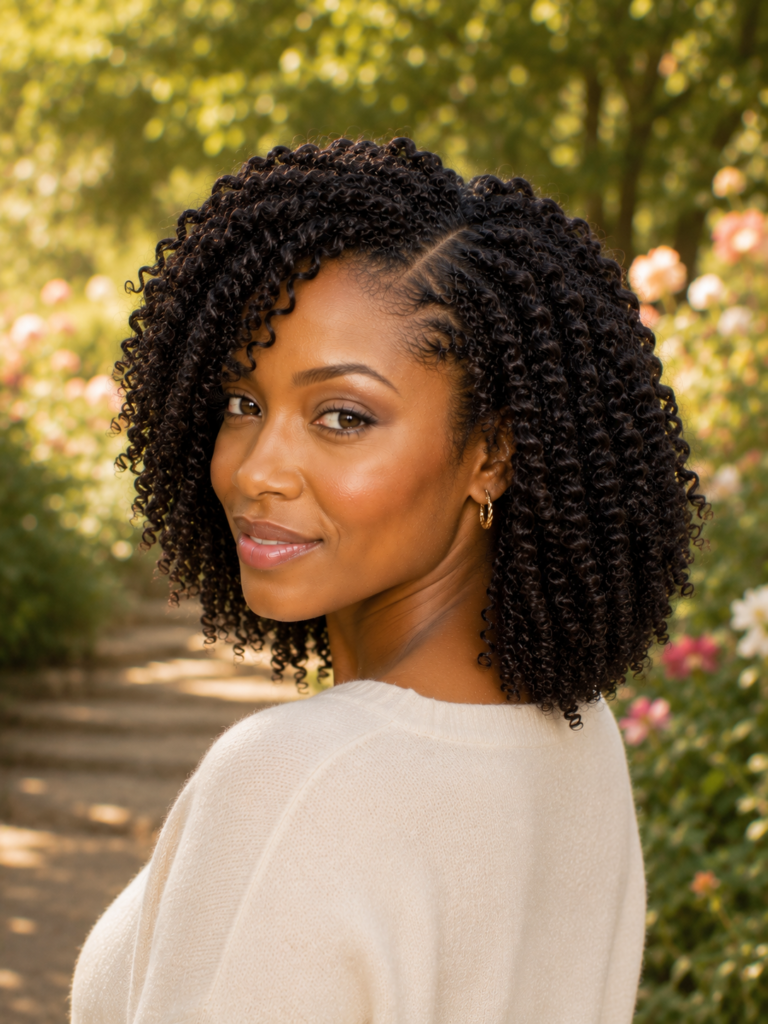
The final life of a twist set can become another hairstyle entirely. Once fully dry, unravel each twist carefully instead of pulling sections apart quickly. Separate the resulting texture only enough to create your preferred fullness. A small amount of lightweight oil on your fingertips can reduce friction during takedown. For longer-lasting definition, retwist several larger sections before sleeping. That quick nighttime reset can restore shape without requiring another complete wash and styling session.