The most flattering bob is not always the shortest or most dramatic one. Stylists often use small changes in length, layering, and shape to make a bob feel completely different. A clean jawline can look sleek and modern, while subtle layers can give the same basic length much more movement. From timeless French bobs to softly layered lobs, these chic bob cut hairstyles offer recognizable shapes with plenty of styling flexibility. Whether you prefer polished, textured, or effortlessly undone hair, there is a bob here that can fit your personal style.
Classic Chin-Length Bob
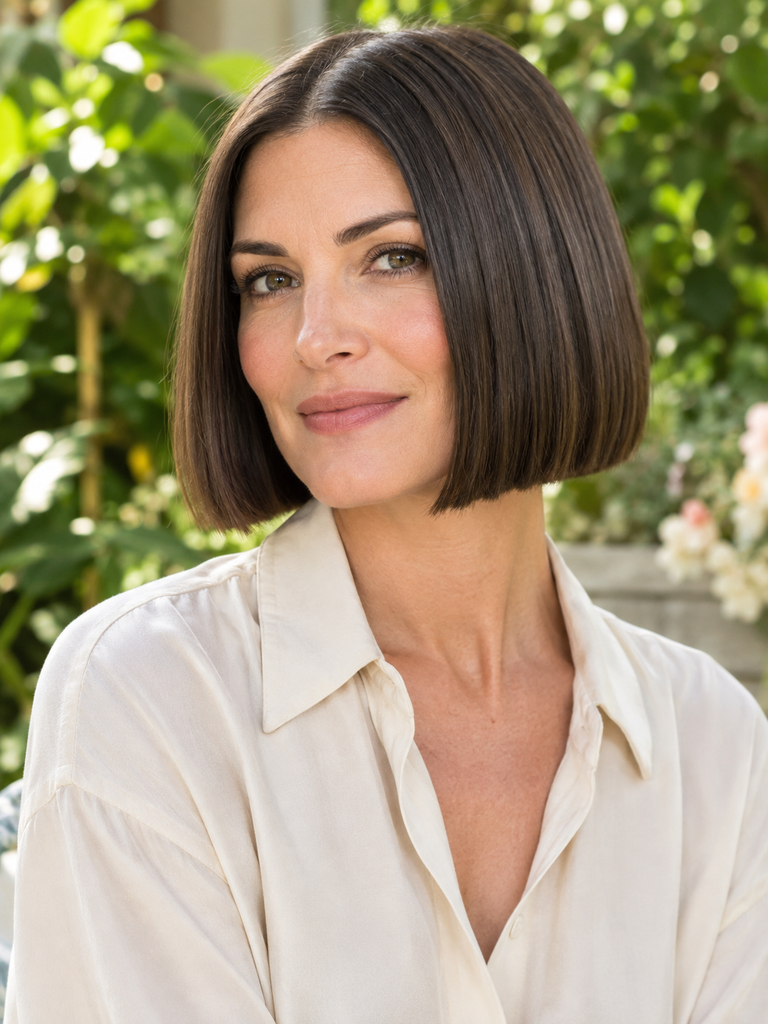
Keep the perimeter clean and let the chin-length shape do the work. This timeless bob falls evenly around the jaw area, creating a crisp silhouette without complicated layering. A center part gives it a sleek finish, while a slight side part adds softer movement. Use a smoothing cream before blow-drying, then finish with a light shine product. It works especially well when you want polished hair that still feels uncomplicated.
French Bob With Soft Bangs
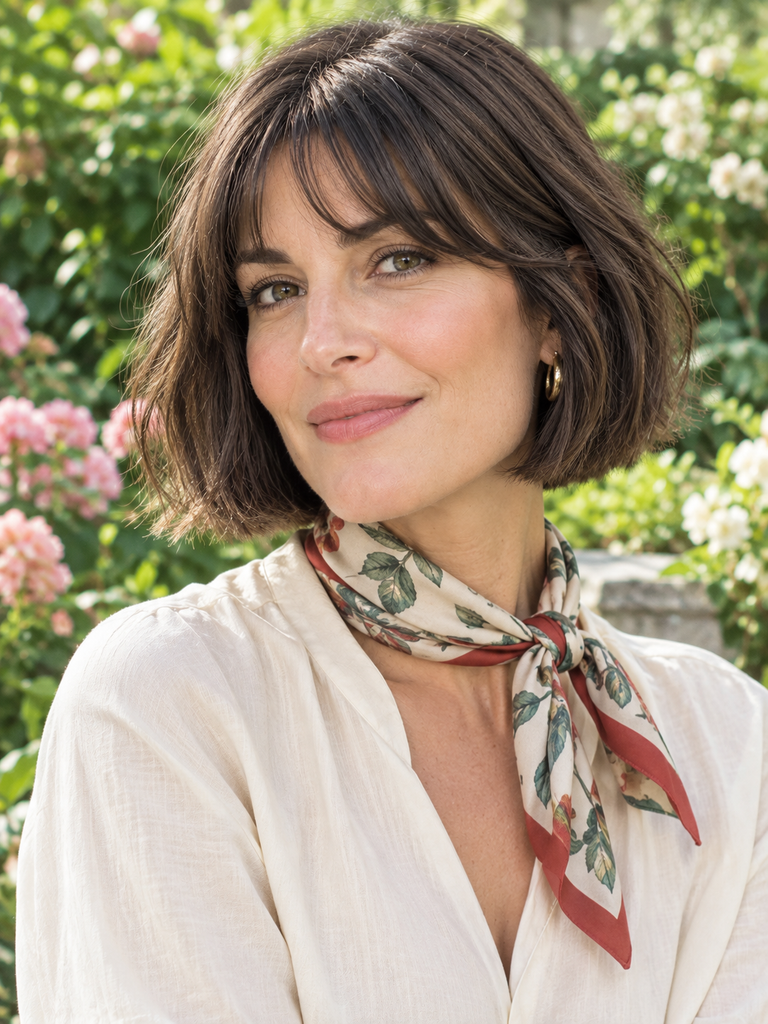
A French bob brings together a shorter length and an effortlessly refined shape. Ask for the ends to sit around the jaw or slightly above it, with soft bangs grazing the eyebrows. Keep the perimeter fairly blunt, while allowing subtle texture through the ends. A little styling cream can enhance natural movement without making the cut stiff. Wear it smooth or encourage a gentle bend for an easy Paris-inspired finish.
Blunt Jawline Bob
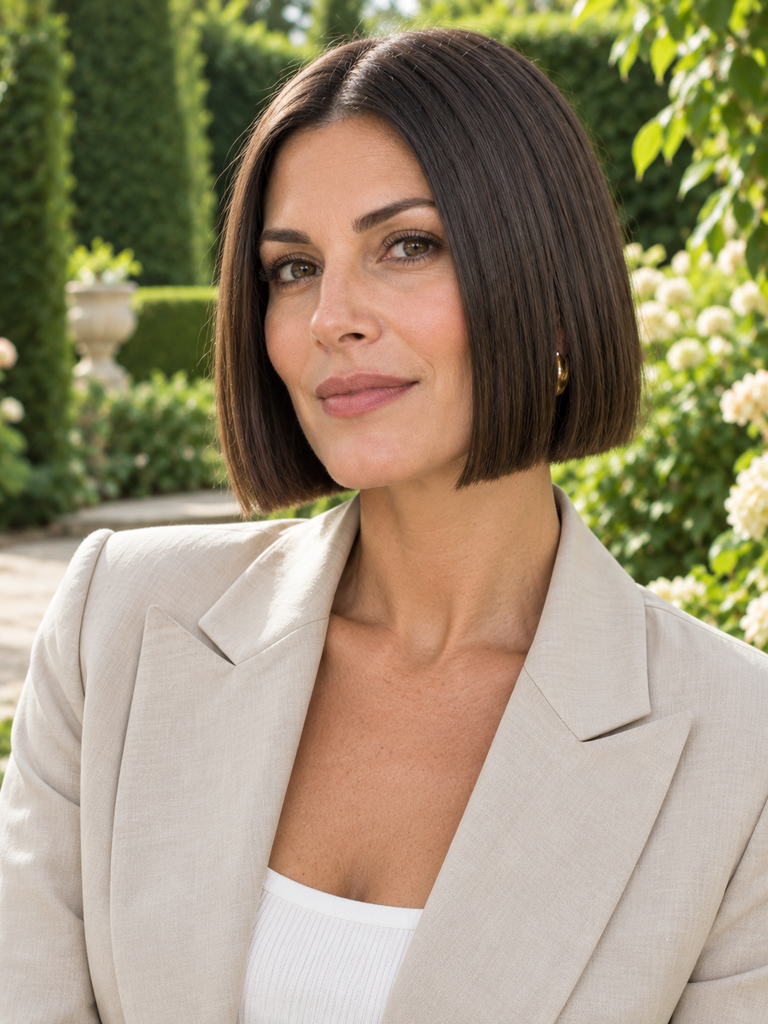
For a sharper silhouette, choose a blunt jawline bob with minimal layering. The ends finish around the jaw, creating a strong horizontal line that looks particularly striking when styled straight. Keep the front pieces aligned with the main perimeter for a cohesive shape. A center part emphasizes the clean geometry, while a deep side part creates more asymmetry. Use a flat iron sparingly to keep the ends smooth without flattening the roots.
Textured Bob
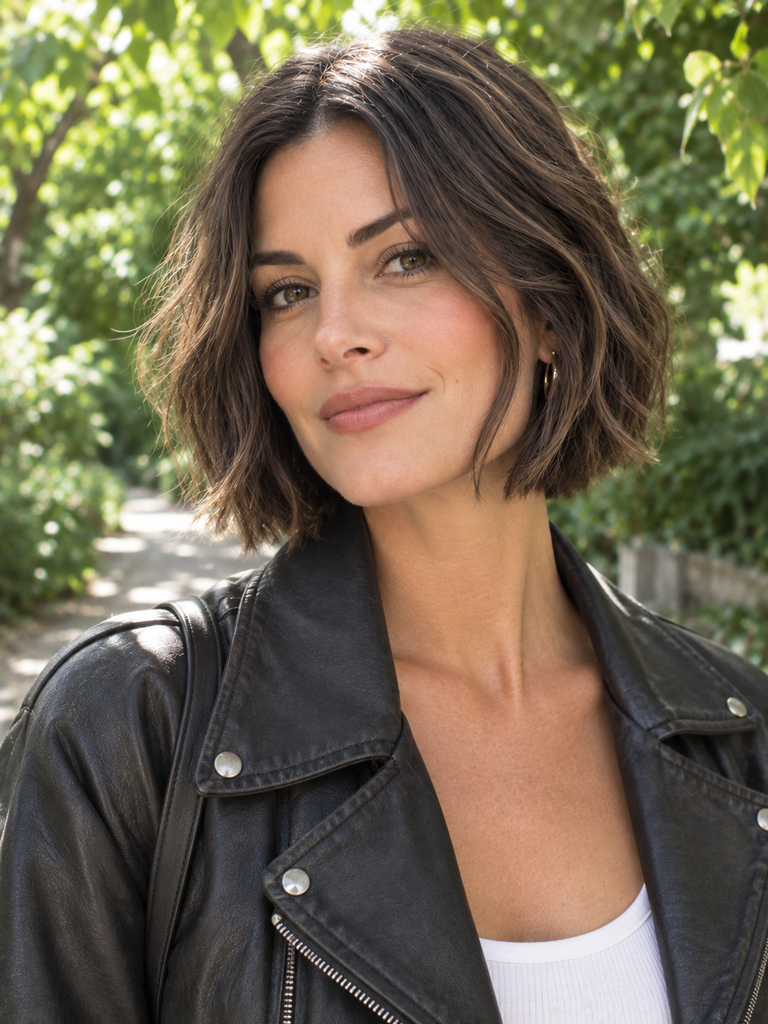
Texture can make a traditional bob feel noticeably more relaxed. Keep the length around the chin or slightly below, then add light piecey layers through the surface and ends. Avoid excessive layering, which can remove the recognizable bob shape. A lightweight texturizing spray helps separate individual sections after styling. Scrunch or twist small pieces while the hair dries, then loosen them with your fingers for an undone finish.
Layered Bob

Start with a classic bob length, then introduce carefully placed layers for movement. Shorter surface pieces can add dimension while longer sections maintain the overall bob silhouette. Keep the front slightly longer if you prefer a softer frame around the face. A round brush can create gentle volume during blow-drying, while a small amount of lightweight styling cream keeps the layers defined. This option suits anyone who wants movement without going fully short.
Graduated Bob
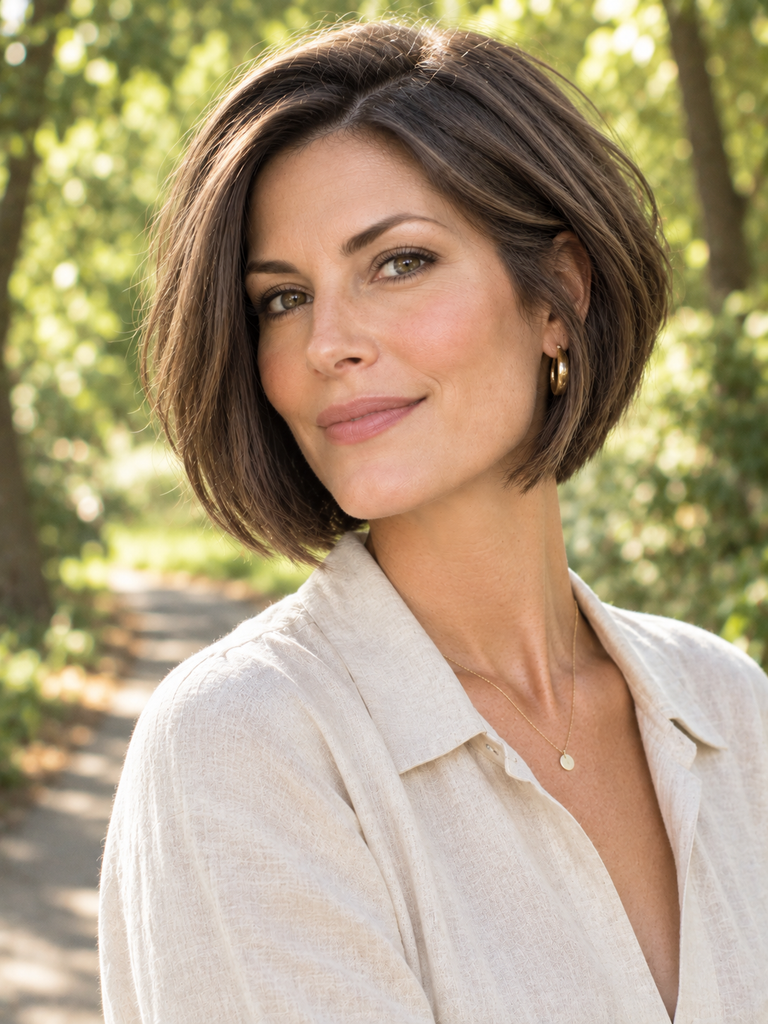
A graduated bob creates a distinctive shape by keeping the back shorter and allowing the front to extend toward the jaw. The stacked section at the back adds structure, while longer front pieces create a sleek transition. Ask for controlled graduation rather than heavy stacking if you prefer a modern finish. Blow-dry the back sections with a round brush, directing the ends inward for a clean, softly curved result.
Inverted Bob
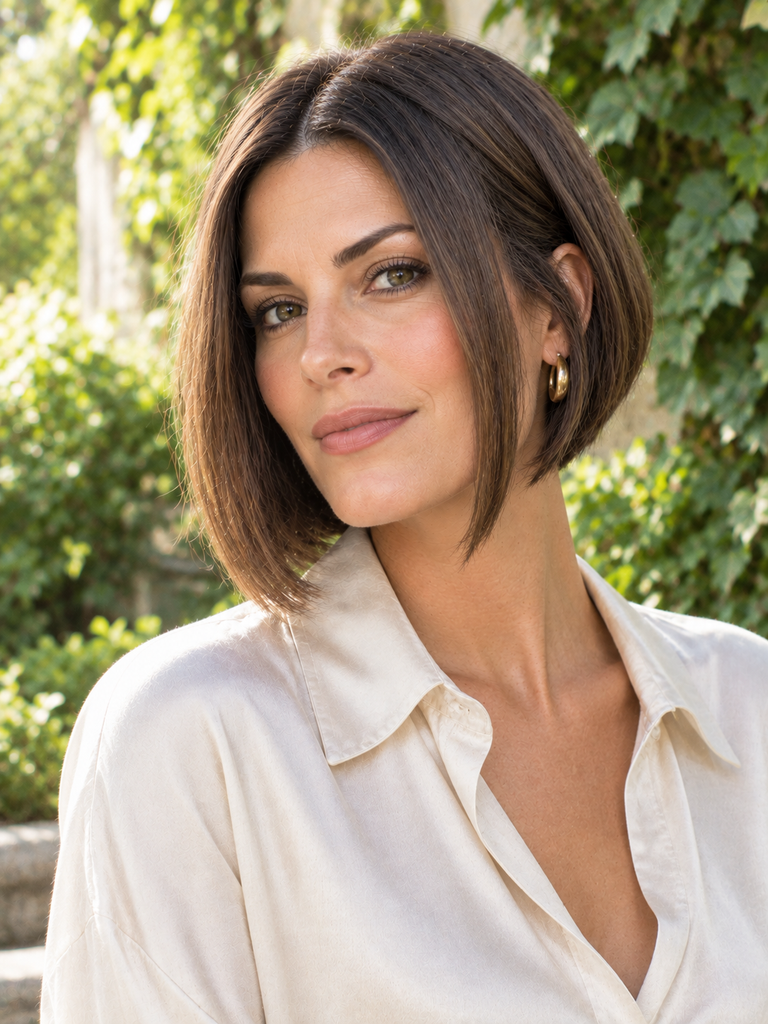
The inverted bob uses a shorter back with progressively longer pieces toward the front. Unlike a heavily graduated version, the shape can remain relatively smooth and understated. Keep the front length around the jaw or slightly below it for an elegant silhouette. A center part makes the angle especially noticeable, while soft waves can make it feel more casual. Finish with a lightweight serum to keep the longer front sections smooth.
Shoulder-Length Lob
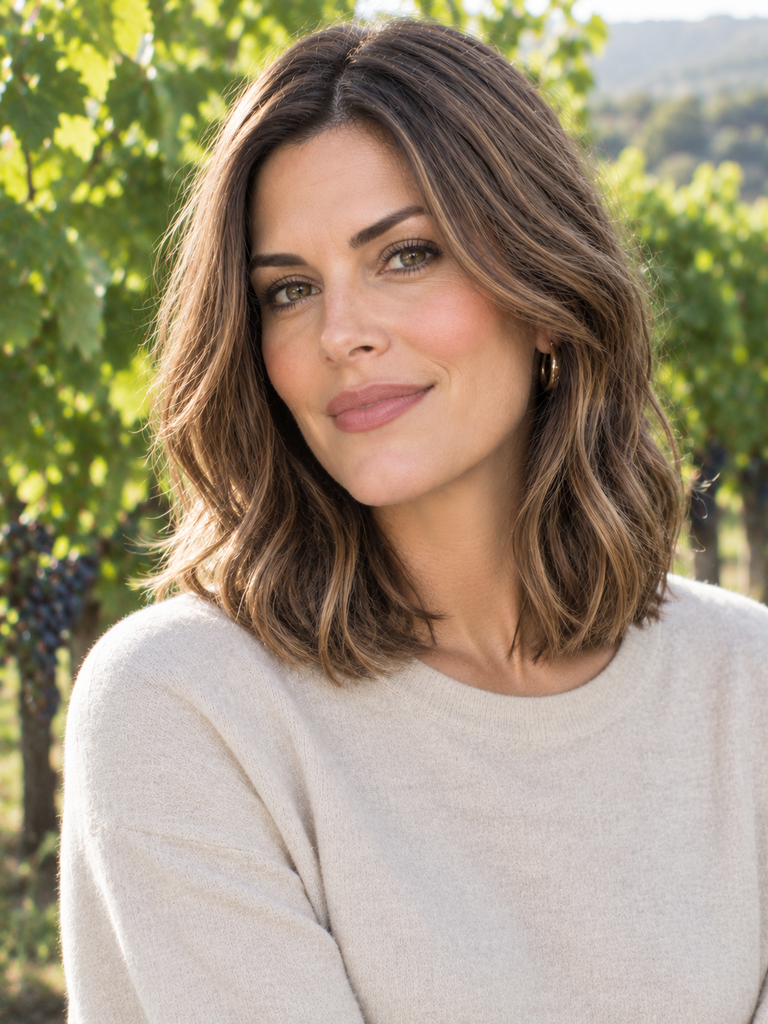
When you want bob styling without committing to a short cut, the shoulder-length lob offers an easy middle ground. Keep the ends around the shoulders, with subtle internal layers for movement. The front can remain slightly longer for a relaxed shape that works beautifully with waves. Use a curling wand on selected sections, leaving the ends slightly straighter. A flexible hairspray can hold the texture without making the style feel rigid.
Bob With Curtain Bangs
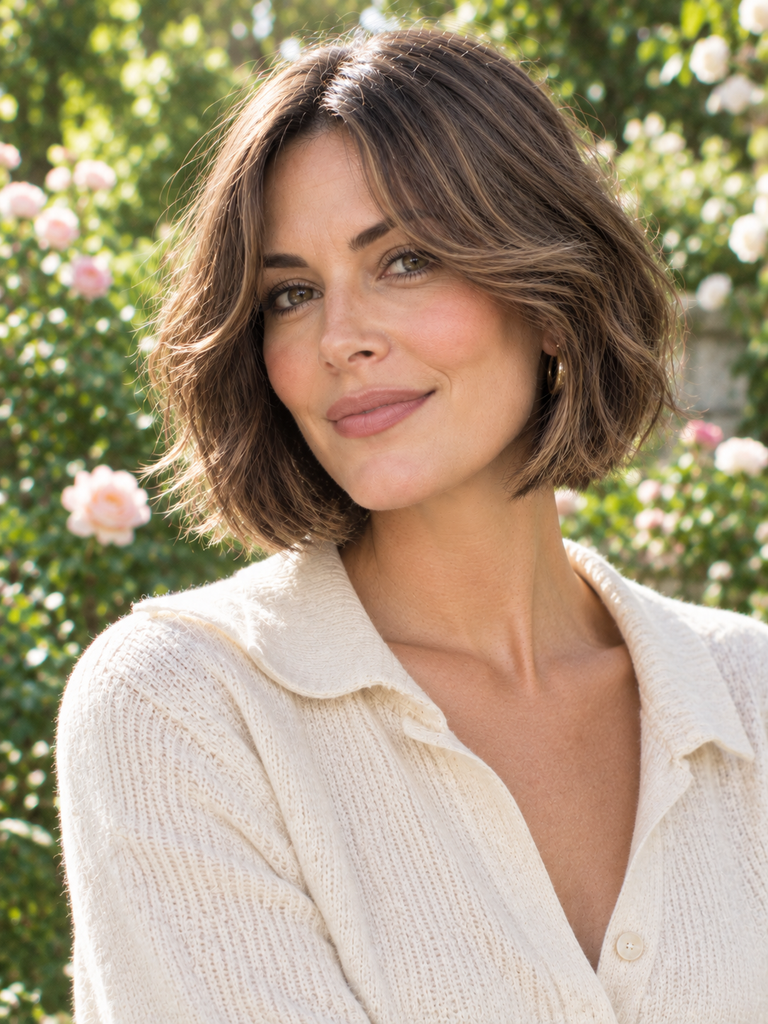
Pairing a bob with curtain bangs gives the classic cut a softer, more current feel. Keep the main length around the chin or collarbone, depending on your preferred finish. The bangs should part naturally near the center and gradually lengthen toward the sides. Blow-dry them away from the face using a round brush, then lightly separate the ends. This combination works particularly well with softly tousled texture throughout the bob.
Asymmetrical Bob
An asymmetrical bob adds visual interest by keeping one side slightly longer than the other. The difference does not need to be dramatic to make the cut distinctive. Keep the shorter side around the jaw while allowing the opposite side to extend toward the collarbone. Straight styling highlights the uneven perimeter, while loose waves soften it. A lightweight smoothing product helps maintain the clean shape and p
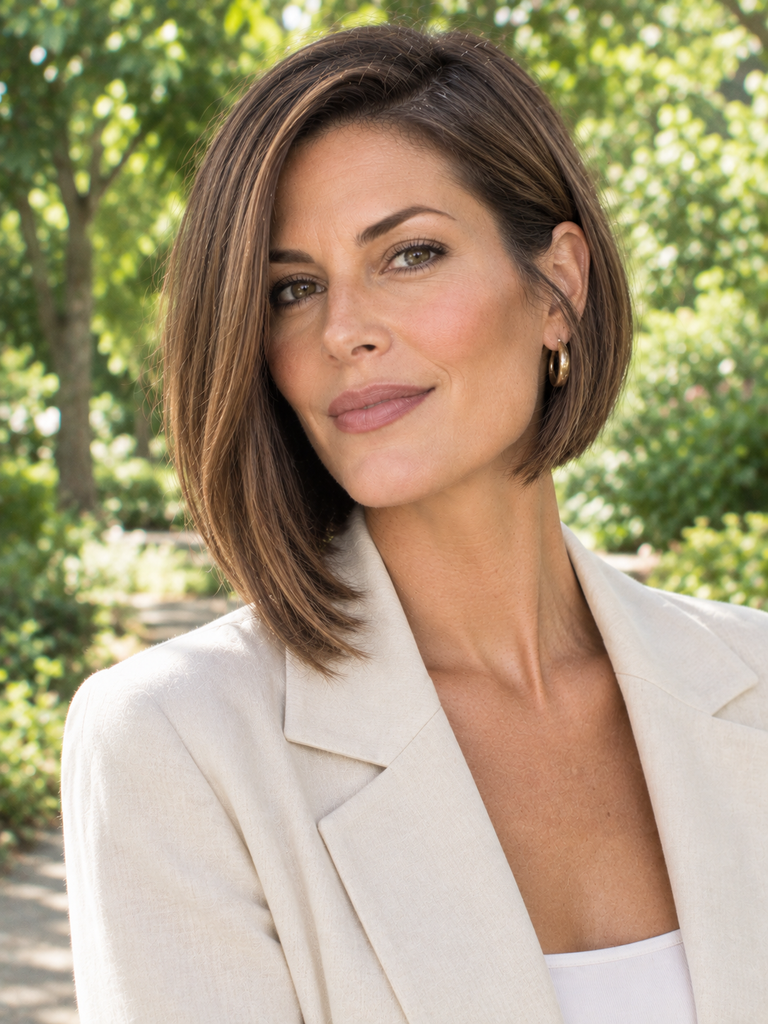
revents flyaways from distracting from the cut.
Wavy Bob

Let natural movement become part of the haircut with a softly wavy bob. Choose a chin-to-neck length and add subtle layers where extra movement is needed. Keep the ends slightly irregular rather than forcing them into a perfectly uniform line. Apply a lightweight curl cream to damp hair, then allow the waves to dry naturally or use a diffuser. Once dry, gently separate the sections with your fingers for relaxed definition.
Shaggy Bob

A shaggy bob combines the compact shape of a bob with intentionally piecey layers. Keep enough length around the jaw or neck to preserve the overall silhouette, then add shorter layers through the crown and sides. Feathered ends help create movement without making the cut look overly precise. Work a small amount of texturizing paste through dry hair, concentrating on the layers. The result feels casual, dimensional, and easy to refresh.
Bob With Side-Swept Bangs

Side-swept bangs can soften a structured bob while adding a flattering styling option. Keep the main cut around the chin or slightly below, with the fringe beginning shorter near one side and sweeping longer across the forehead. Blow-dry the bangs diagonally using a small round brush, then lightly smooth the ends. Keep the rest of the bob sleek or add loose bends for a softer everyday finish.
Curly Bob
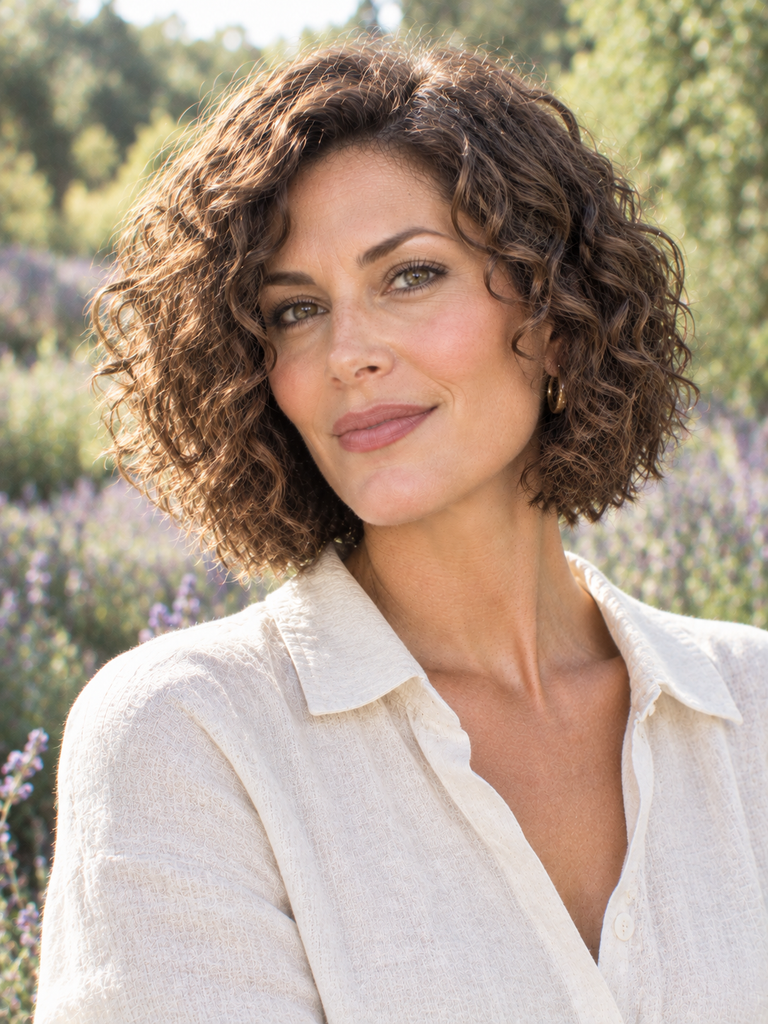
A curly bob celebrates texture while maintaining a clearly defined shorter shape. Choose a length around the chin or neck, allowing enough room for the curls to form naturally. Minimal layering can prevent the silhouette from becoming too wide, while selective layers help encourage movement. Apply curl cream to damp hair, then diffuse gently without overhandling. Once dry, separate only the curls that need extra definition and leave the rest naturally textured.
Pixie Bob

The pixie bob sits between a traditional bob and a longer pixie, making it a great choice for a noticeably shorter transformation. Keep the back cropped around the nape, while the crown and front remain longer enough to create a bob-like shape. Piecey texture through the top adds movement and versatility. Use a lightweight styling paste to direct the longer sections forward, sideways, or slightly upward depending on your preferred finish.
.