The secret to old money bob haircuts is not making the haircuts complicated. It is getting the shape, finish, and movement exactly right. Current interpretations favor clean lines, healthy-looking shine, controlled volume, and ends that curve softly rather than looking heavily textured. That leaves plenty of room for variation, from a crisp chin-length bob to a fuller collarbone shape. You can also change the mood with a side part, subtle layers, tucked ends, or soft waves. The result feels polished without relying on excessive styling or dramatic detailing.
Classic Blunt Old Money Bob
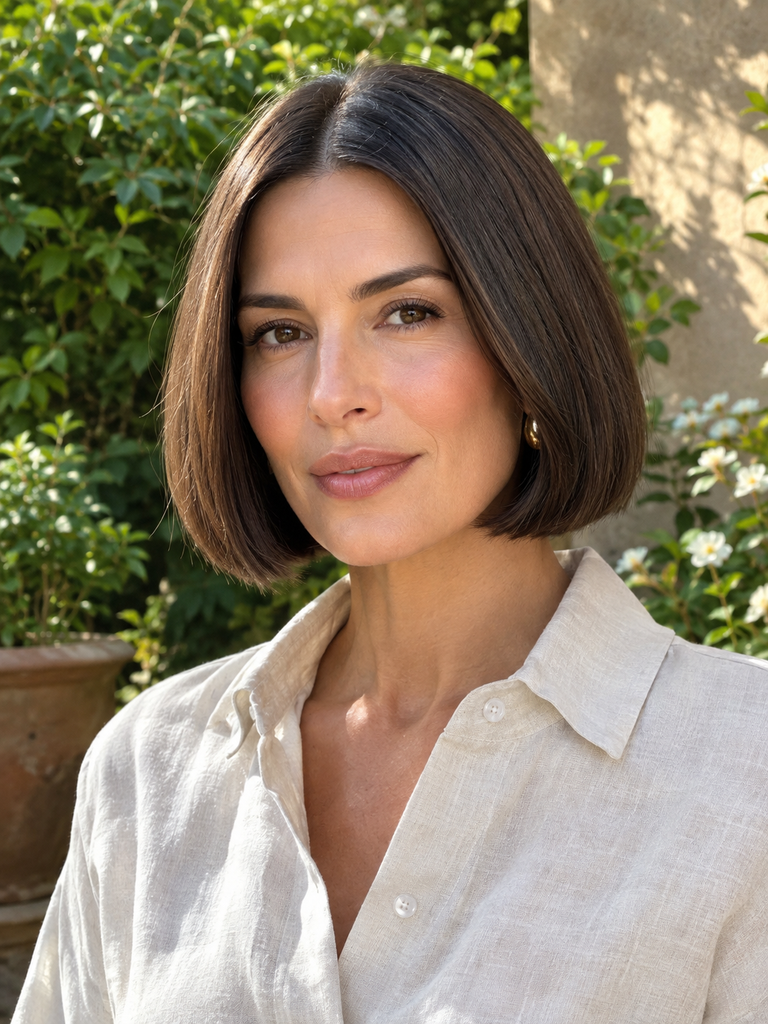
Keep the perimeter clean and let the precision do the work. This classic version sits around the chin with a strong one-length shape and minimal layering. A center part keeps the silhouette balanced, while a smooth blowout creates the signature softness associated with the aesthetic. Finish the ends with a slight inward curve rather than a sharp flip. A lightweight smoothing cream helps maintain shine without weighing down the shape.
Chin-Length Old Money Bob
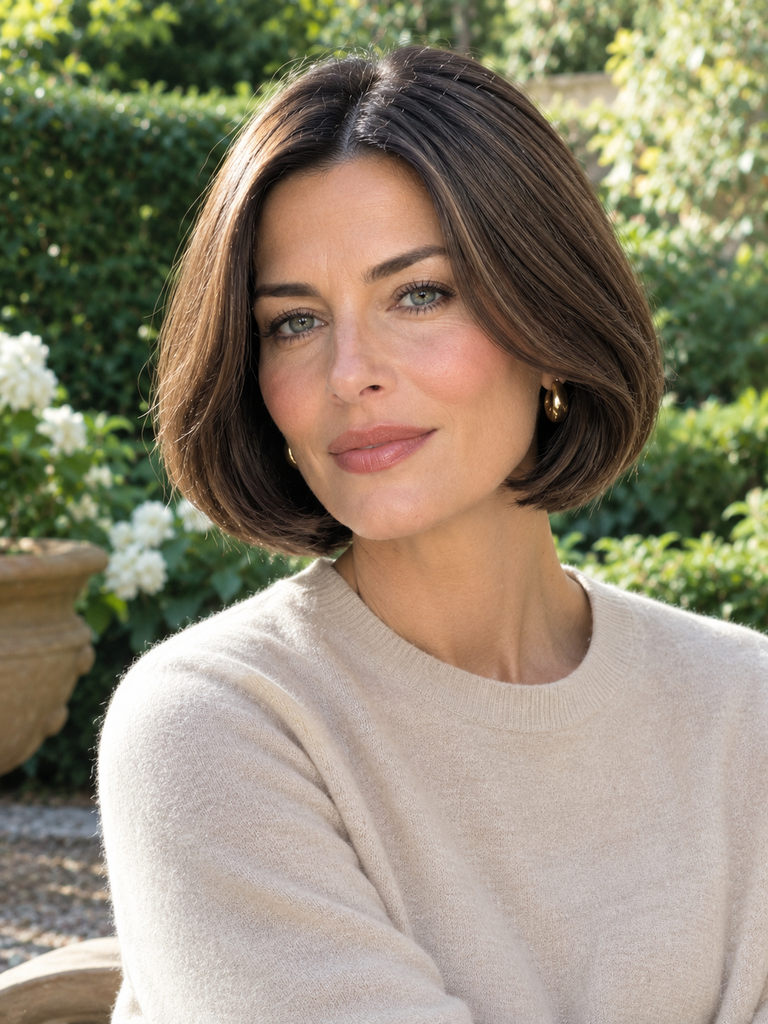
A chin-length bob gives the old money aesthetic its most recognizable proportions. Ask for a clean perimeter that lands close to the chin, with subtle shaping through the interior. The front should stay polished and softly curved toward the face. Use a round brush to create controlled lift at the roots, then direct the ends inward. This version works especially well when the hair looks glossy and carefully maintained.
Rounded Old Money Bob
For a softer silhouette, choose a rounded bob with gentle internal shaping. The perimeter remains tidy, while the sides curve naturally toward the jaw and the back carries subtle graduation. Blow-dry with a medium round brush, directing the ends inward as you move around the head. Keep the surface smooth instead of heavily textured. A lightweight shine product can enhance the refined finish without making the hair appear overly styled.
Side-Parted Old Money Bob
Change the part before changing the haircut. A deep or softly offset side part gives a classic bob more volume and a graceful vintage quality. Keep the perimeter relatively blunt, with minimal layers underneath. Brush the heavier side away from the face and create a soft bend through the ends. Root-lifting mousse can help preserve the shape, while a smoothing cream keeps the finished bob sleek and controlled.
Old Money Bob With Curtain Bangs
Curtain bangs bring softness to an otherwise structured bob. Keep the main length around the chin or just below, then shape the fringe so it opens naturally around the center. The shortest pieces can begin near the brow before sweeping toward the cheekbones. Keep the back clean and softly rounded. Blow-dry the bangs away from the face with a small round brush for an elegant, airy finish.
French Old Money Bob
A French bob fits the old money mood beautifully when the texture stays controlled. Keep the cut around the jaw or chin, with a neat perimeter and subtle movement rather than heavy choppiness. A soft fringe can sit around the eyebrows for a classic finish. Use a smoothing cream before blow-drying, then add only a gentle bend through the ends. The goal is polished French simplicity, not deliberately messy texture.
Collarbone Old Money Bob
Not every old money bob needs to be short. A collarbone-length version offers more versatility while keeping the same refined silhouette. Ask for a clean perimeter with subtle internal layers that prevent the longer shape from feeling heavy. A center or soft side part both work well. Blow-dry the lengths with a large round brush, turning the ends slightly inward for the smooth, bouncy finish that defines this aesthetic.
Sleek Old Money Bob
For a sharper interpretation, keep the surface exceptionally smooth and the perimeter precise. This bob can sit between the jaw and shoulders, depending on your preferred length. Avoid obvious layers and keep the back shape clean and balanced. Apply heat protectant before using a blow-dryer and flat iron, then finish with a lightweight glossing product. The result is streamlined, polished hair with enough movement to avoid looking stiff.
Softly Layered Old Money Bob
Subtle layers can create movement without sacrificing the clean silhouette. Keep the outer shape around the chin or collarbone, then add discreet internal layers through the crown and mid-lengths. The front pieces should blend naturally into the perimeter rather than becoming obvious face-framing layers. Round-brush the hair for gentle lift, then smooth the surface. This option is particularly useful when you want body without a heavily layered appearance.
Old Money Bob With Tucked Ends
The tucked-end finish is one of the easiest ways to create that polished salon effect. Start with a structured bob around the jaw, chin, or upper neck. Keep the back shape clean and avoid excessive texturizing. During styling, direct the ends inward with a round brush, creating a consistent curve underneath. A lightweight blow-dry cream provides control while preserving movement, shine, and the soft finish this look needs.
Graduated Old Money Bob
A softly graduated bob brings subtle structure through the back while keeping the overall appearance elegant. The nape sits slightly shorter, with the perimeter gradually becoming longer toward the front. Keep the graduation smooth rather than dramatically stacked. The front should reach around the chin or jaw, depending on your preferred shape. Blow-dry with a round brush to emphasize the clean transition and softly curved ends.
Wavy Old Money Bob
You can keep the old money aesthetic even when your bob has natural movement. Choose a clean chin-to-collarbone perimeter with restrained layering, then enhance the existing wave pattern. Use a lightweight curl cream and diffuse gently, or create loose bends with a large barrel tool. Keep the finish soft and glossy rather than beachy. The key is controlled movement, not deliberately tousled texture.
Old Money Bob With Side-Swept Bangs
Side-swept bangs add a glamorous touch while keeping the haircut classic. Pair them with a chin-length or slightly longer bob and a clean perimeter through the back. The fringe should sweep from a side part and blend gradually into the front sections. Use a round brush to direct the bangs away from the face, then softly curve the ends underneath. A light finishing cream keeps everything controlled.
Inverted Old Money Bob
An inverted bob gives the aesthetic a more defined shape without becoming overly dramatic. Keep the back slightly shorter than the front, with a smooth progression toward the jaw or collarbone. Ask for restrained layering so the silhouette stays substantial. Style the hair with a round brush, directing the front sections gently inward. A smoothing serum can add shine, especially when the ends need extra polish and definition.
Layered Collarbone Bob
This longer bob combines elegant length with enough layering for movement. Keep the perimeter close to the collarbone, then place soft internal layers through the mid-lengths and crown. The front should blend gradually rather than creating obvious steps. Blow-dry with a large round brush and curve the ends inward. This creates the full, bouncy finish often associated with old money styling while retaining a practical everyday length.
Old Money Bob With a Deep Side Part
A deep side part changes the volume and direction of a classic bob instantly. Keep the cut clean, with a chin-to-collarbone perimeter and minimal visible layering. Create extra lift along the heavier side, then sweep the front away from the face. A volumizing mousse can provide support before blow-drying. Finish with a light smoothing product so the hair stays glossy without losing the airy movement.
Softly Angled Old Money Bob
A gentle angle gives the bob structure while keeping the overall effect understated. Let the back sit around the jaw or upper neck, then extend the front gradually toward the chin or collarbone. Keep the transition smooth and avoid harsh stacking. A center or side part works depending on the desired finish. Round-brush the longer front sections inward to create the soft, tailored shape associated with the aesthetic.
Voluminous Old Money Bob
Volume is central to many classic interpretations of the old money bob. Choose a structured bob with enough length for a rounded blowout, then build lift at the roots with a lightweight volumizing mousse. Use a large round brush through the sides and ends, creating bounce without obvious curls. Keep the surface smooth and finish with a flexible hairspray that preserves movement.
Old Money Bob With Soft Face-Framing Layers
Soft face-framing pieces can make a structured bob feel more personalized. Keep the back perimeter clean, then introduce longer layers around the front that blend into the main length. The shortest pieces should transition gradually rather than creating a dramatic frame. A center part keeps the effect balanced, while a round-brush blowout adds gentle movement. Finish with a small amount of smoothing cream through the ends.
Shoulder-Length Old Money Bob
For maximum versatility, take the bob toward the shoulders while preserving its polished character. Keep the perimeter clean with subtle internal shaping to prevent excessive weight. The front can remain slightly longer, while the back stays softly rounded. Style with a large round brush, turning the ends inward and creating gentle root volume. This longer interpretation gives you an elegant bob silhouette without committing to a short cut.